The transportation of live fish is a critical aspect of the aquaculture industry. Ensuring the safe and efficient transfer of fish from hatcheries to markets or other aquaculture facilities is essential to maintain the quality and viability of the fish. Over the years, various methods have been developed to facilitate the transportation of live fish, with advancements in technology revolutionizing the industry. In this blog, we will explore the different ways live fish are transported and introduce Manten's innovative Live Fish Transport Truck, a game-changer in the field.
Plastic Bags: One of the most common methods involves placing fish in plastic bags filled with oxygenated water. This method is suitable for short-distance transportation, but it poses limitations regarding fish size and stress levels.
Tanks and Containers: Larger fish or a larger number of fish are transported in specialized tanks or containers filled with aerated water. These tanks may be mounted on trucks or placed in larger vessels for long-distance transportation. However, maintaining water quality and minimizing stress remains a challenge.
Air Freight: For longer distances or international shipments, air freight is often used. Fish are packed in specialized containers with temperature control and oxygen supply. While this method ensures faster transportation, it can be expensive and requires careful handling.
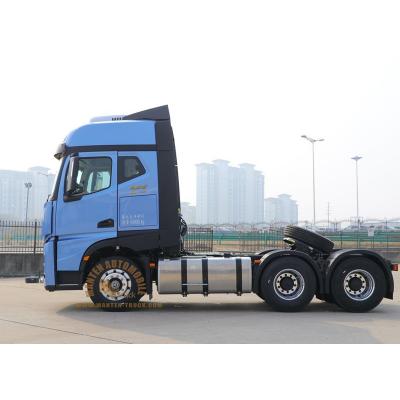
Manten, a leading innovator in the aquaculture industry, has developed a cutting-edge solution for live fish transportation—the Live Fish Transport Truck. This state-of-the-art truck combines advanced technology, specialized infrastructure, and precise environmental control to provide an optimal transport environment for live fish.
Water Filtration and Oxygenation: The fish carrier truck is equipped with advanced water filtration systems and oxygenation units, ensuring a constant supply of clean and oxygen-rich water for the fish. This feature helps maintain optimal water quality throughout the journey, minimizing stress and preserving the health of the fish.
Temperature Control: Maintaining the right temperature is crucial for live fish transportation. Manten's truck employs precise temperature control mechanisms, allowing operators to adjust and monitor the temperature according to the specific requirements of the fish species being transported.
Monitoring and Surveillance: The live fish transport vehicle is equipped with monitoring systems that constantly track and analyze critical parameters such as water quality, temperature, and oxygen levels. This real-time monitoring helps ensure the fish are in a safe and suitable environment during transit.
Customizable Compartments: The interior of the truck can be customized to accommodate different fish species and sizes. This flexibility allows for efficient and organized transport, reducing stress and potential damage caused by overcrowding.
Improved Efficiency: Manten's live fish transport truck for sale optimizes the use of space and resources, allowing for higher fish carrying capacity. This increased efficiency translates into reduced transportation costs for fish farmers and a more sustainable approach to live fish transportation.
The transportation of live fish plays a pivotal role in the aquaculture industry. With advancements in technology, the process has become more efficient, ensuring the well-being and quality of the fish being transported. Manten's Live Fish Transport Truck represents a significant leap forward in live fish transportation, offering enhanced water filtration, temperature control, monitoring systems, and customization options. By utilizing this innovative solution, fish farmers can transport their stock more reliably, resulting in improved profitability and sustainability for the aquaculture industry as a whole.
Milk Tanker Semi-Trailer Leads the Revolution in Fresh Milk TransportationJune 1, 2024In the field of fresh milk transportation, a new semi-trailer milk tanker is spearheading a technological revolution. This vehicle not only meets the stringent requirements of fresh milk transportatio...view
How to Prepare for Operating a High Altitude Operation TruckJuly 12, 2024When it comes to operating a high altitude operation truck, proper preparation is key. These specialized vehicles are designed to navigate the unique challenges of high-altitude terrain, making them a...view
Record The Production Of Compressed Garbage Truck For Exporting ProjectMay 31, 2024In a momentous achievement that solidifies our commitment to environmental sustainability and international trade, our company has recently recorded the production of a fleet of compressed garbage tru...view
Record the Delivery of 27 meters aerial platform truck for exporting project.August 29, 2023In a recent development, a batch of 27-meter JMC brand high-altitude operation vehicles has been successfully completed and dispatched. These vehicles are designed to cater to various high-altitude op...view
Maintenance and Servicing Tips for High Altitude Operation TrucksJuly 12, 2024When it comes to maintaining and servicing high altitude operation trucks, there are a few key tips to keep in mind in order to ensure the vehicle is operating at its optimal level. These trucks are d...view
Advantages of Bulk Feed Delivery TrucksJune 6, 2025Bulk feed delivery trucks, as important transportation tools in the modern livestock industry, have many advantages that traditional transportation methods cannot compare to. They are widely used for ...view